
Buying a used car in the UAE can be an exciting experience due to the country's thriving pre-owned car market and platforms that offer a wide range of options, from affordable cars to luxury SUVs. However, a shiny exterior or low mileage doesn't always tell the whole story. Many customers make snap decisions only to discover later that there are hidden mechanical issues or accident damage.
You can avoid expensive surprises and make an informed decision with a thorough inspection. This guide walks you through a simple, do-it-yourself checklist to help you spot potential issues before making a purchase. Whether you're browsing online listings or checking out second-hand cars for sale at a dealership, following these steps will help you make an informed choice.
Why a Pre-Purchase Inspection Matters

Unlike buying a new vehicle, a used car still requires a significant financial investment and does not come with a universal warranty or a guaranteed history. The following explains the significance of completing your own inspection:
- Early detection of serious issues like engine problems, frame damage, and flood exposure.
- Avoids unexpected costs for the previous owner's mistakes and problems.
- Instead of relying on the seller's guarantees, you gain confidence in your purchase.
- Protect your safety (tyres, airbags, and braking are crucial on UAE highways).
- Helps negotiate a lower price by pointing out real, evident issues.
A car is like a new colleague. You wouldn't hire someone without checking their background first. The same goes for your next vehicle.
Initial Checks Before Viewing the Car
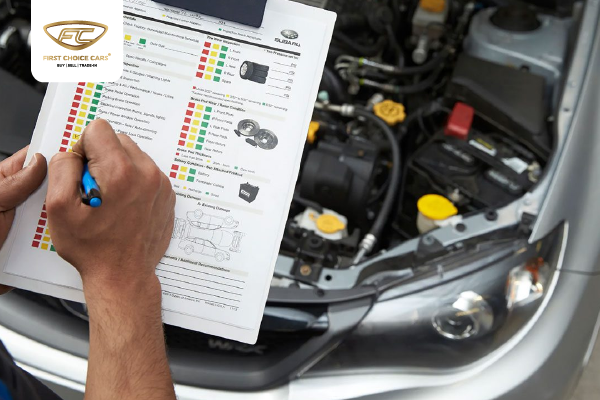
Before you go out to view a used car, do some research at home. Make a checklist to save time and remove risky options.
- Ask the seller for a clear photo of the chassis (VIN) number.
- Confirm that the VIN matches the Mulkiya (registration card) and service record.
- Ask about service history; agency records earn bonus points.
- Double-check the mileage consistency; proceed cautiously if there is no service history.
- Get an RTA vehicle history report at the RTA official website to learn about accidents, ownership, and inspections.
- Make sure there are no unpaid bank loans or fines associated with the car on the UAE Government official platform.
If the seller is hesitant to give information, take it as a warning sign. Good sellers are transparent. Shady sellers give excuses.
Exterior Inspection
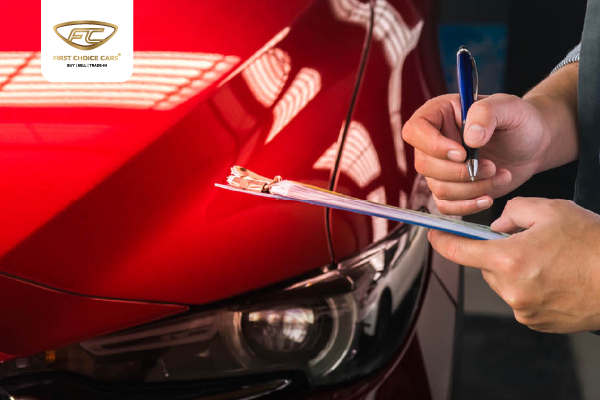
You should be more cautious if you are thinking of purchasing a car that is more than five years old and has no remaining warranty. Examining the vehicle's exterior in detail is crucial. Checking the paint, rusted parts, boot, window mirrors, exhaust, and tyres are all part of this. The owner may have attempted to hide previous damage if you see new paint on rusty areas.
Additionally, check the exhaust for smoke, as this could indicate that the engine has burned. Verify that the tyres are in good shape and that the wheels are correctly aligned; they shouldn't be older than four years. To evaluate the suspension condition, a test drive is also necessary.
Before you buy the car, ask the owner to fix any damage you find to the vehicle's body. It might be best to find another car if they won't fix it. Additionally, it is best to fully avoid purchasing the car if it has been involved in any serious accidents, as this may lead to certain issues later.
Interior Inspection
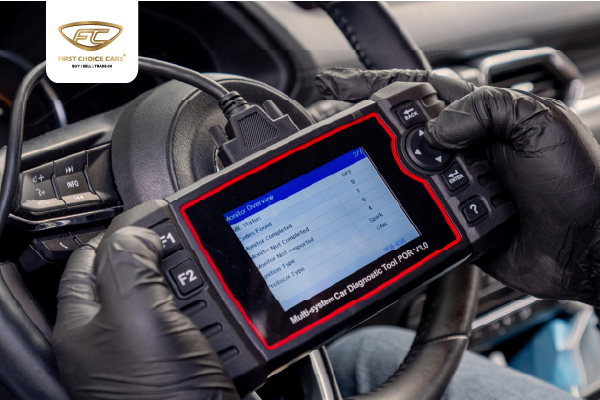
When purchasing a used car, it's crucial to pay equal attention to the interior and exterior. Important things to consider are how comfortable and practical the car's features are. Examine the fabric and comfort of seats during a test drive. Look for any rips or damage in the seat fabric.
To ensure they operate properly, test all of the car's electric features, including the infotainment system. Additionally, confirm that the car's safety equipment, including the airbags and anti-lock braking system, has not been replaced. To make sure the car's lights, brakes, and air conditioning system are all operating properly, it is essential to check all of them.
Additionally, spend some time exploring the car's different features to make sure they function as intended. Make a list of any problems or malfunctions you find and let the owner know about them. This will increase your chances of negotiating a price that takes into account any repairs or replacements that are required.
Engine Bay and Mechanical Inspection
You don't need to be a mechanic. Your senses are enough for the engine bay and mechanical inspection.
You have to look for:
- Engine oil: dark is okay, thick sludge isn't
- Coolant: should be coloured, not rusty
Brake fluid: clear to light brown - Leaks: If you notice oil spots or wet patches, just walk away or bargain hard.
- Belts & Hoses: Cracks or stiffness are signs of future expenses.
- Smell Test: A burning smell shows a risky engine or electrical issue.
- Sound Test: Start the car cold, and listen for rattling, knocking, or loud vibrations.
- Battery Check: Ask for the battery installation date. Battery life in the UAE heat is approximately 2 years.
Test Drive Evaluation

The test drive is the most important part of a used car inspection. We advise getting expert assistance if you are unfamiliar with evaluating the vehicle's performance while driving. However, doing it yourself is not too difficult.
- Engine Evaluation: Verify the engine's smoothness. Check further at a service centre if you notice a rattling sound.
- Performance Evaluation: Regardless of the number of miles driven, a car should operate like new if it receives regular maintenance.
- Clutch Evaluation: If the vehicle is a manual, make sure the clutch is operating smoothly. In general, a heavy clutch indicates that it has had better days.
- Brake Evaluation: When evaluating a used car during a test drive, this is the most crucial factor. It should be possible for a car to stop effectively without sending any judder to the steering wheel.
In addition, make sure the ride is comfortable. When a car is in poor condition, you may frequently find it uncomfortable to drive over potholes and bumps.
To assess the performance of the used car, there is a little trick. You can take a test drive of the vehicle and compare it to the used car you are purchasing if it is still available on the new car market.
Document and Legal Verifications
Once everything feels good, confirm the paperwork.
- Mulkiya (registration card)
- Emirates ID of the seller
- Insurance status
- RTA inspection history
- GCC spec confirmation (better for UAE heat)
Use official government platforms to confirm details:
- RTA Dubai
- Abu Dhabi Police Services
When to Get a Professional Inspection
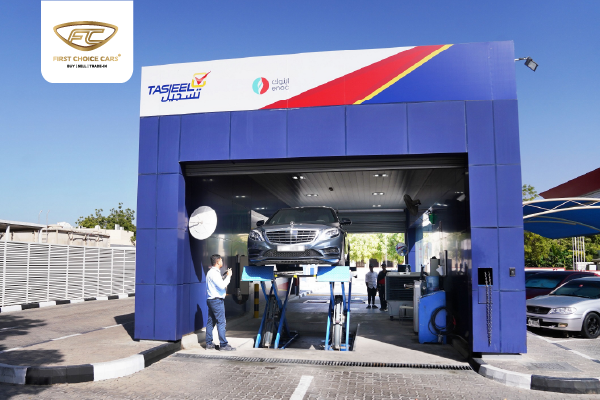
Your DIY inspection is the first step. But you must get professional help if you are serious about buying a used car, especially:
- A luxury car (BMW, Mercedes, Lexus, Porsche, Range Rover)
- Hybrid or EV (Toyota hybrid, Tesla, etc.)
- A High-mileage car (over 150,000 km)
- Turbo or performance models
For the used car inspection, you must choose a trusted platform, i.e., one of the following:
- Tasjeel
- Shamil
- RTA Testing Centre
- Dealership service centres
Costs: Usually AED 300 to 600, worth every dirham for your peace of mind.
Frequently Asked Questions
Do I still need my own inspection when buying from First Choice Cars?
Every vehicle we sell has been through our multi-step inspection, and you are still welcome to arrange your own. Under our Terms and Conditions, buyer inspections are done at an RTA or other officially approved facility within 24 hours of paying a booking deposit, so confirm the arrangements with our team first.
What does the First Choice Cars inspection cover?
Five steps: a vehicle history and documentation check, an exterior inspection, an interior inspection, a mechanical inspection and a road test. Vehicles with major accident damage, chassis issues, odometer discrepancies, serious mechanical faults or a poor maintenance history are not listed.
Can I test drive before buying?
Yes. Visit our Sharjah showroom during business hours, request a test drive for a specific vehicle online, or call our team to arrange a time. Test drives are supervised and depend on the vehicle being available, so contact us first and bring a valid driving licence.
Is the mileage verified?
Yes. Every kilometre reading is genuine and untampered, checked with a diagnostic tool and the service history, and guaranteed in writing on your sales receipt.
Conclusion
In the United Arab Emirates, purchasing a used car can be a wise decision. The pre-owned market offers a wide variety of top-notch car options. You must do a detailed pre-purchase inspection and approach the process with patience and attention. Take your time and trust your instincts. Something is most likely not right if it doesn't feel right. Be cautious and make sure you inspect the entire checklist. Remember that a good car never puts pressure on you, a good seller doesn't rush you, and the right deal always saves you from too much struggle. With a little care and inspection, you'll find a reliable drive partner that gives you peace of mind and great value.
Disclaimer:All information, including pricing, vehicle details, and legal requirements, is accurate at the time of publication but may be subject to change due to market conditions or policy updates. While First Choice Cars makes every effort to ensure the accuracy of the information provided, we hold no responsibility for any errors, omissions, or outdated content. We recommend contacting our team directly to confirm the latest details before making any decisions.