
Speed limits are far from being just numbers. They are a key element in ensuring road safety for all users. With a multitude of highways spanning across the UAE, drivers need to be aware of the varying speed limits in different Emirates. If you are wondering what the maximum speed limit in UAE is, or what the Ras al Khaimah or Dubai speed limit buffer is, you have come to the right place, as we answer these and more questions in the blog. For anyone travelling across the UAE's expansive road network, understanding speed limits and their implications is vital to a smooth, secure driving experience.
General UAE Speed Limits
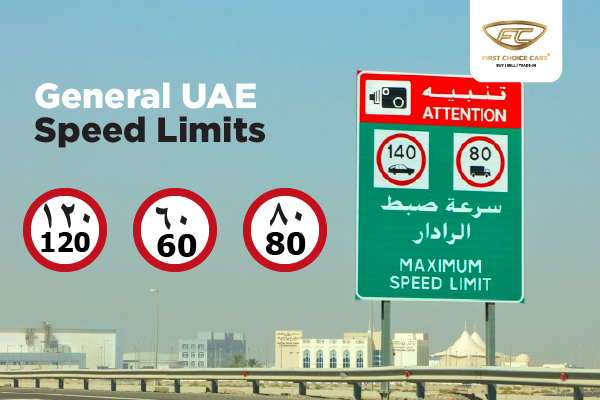
UAE highways are designed with specific speed limits to ensure the safety of all road users. UAE speed limit ranges vary depending on the type of vehicle and the road or highway. Recent updates to traffic regulations in the UAE have introduced reduced and variable speed limits, as well as stricter enforcement. In this section, we will discuss the maximum speed limits for light and heavy vehicles and explain the concept of a speed limit buffer in the UAE.
Light Vehicle Maximum Speed Limits
The highest speed limit in UAE for light vehicles typically ranges from 60 to 120 km/h, depending on the type of road or highway. In urban areas, the speed limit may be lower, while the highway speed limit in UAE is often higher. On certain Abu Dhabi highways, speed limits can reach up to 140 km/h, subject to road conditions and electronic signage. To ensure a safe driving experience, it's important for drivers to be aware of these variations and adjust their speed accordingly.
Heavy Vehicle Speed Limits
The maximum speed limit in UAE for heavy vehicles, including trucks and buses, is typically lower compared to that for light vehicles. These limits range from 60 to 80 km/h, depending on the type of road or highway. Some buses can legally go up to 100 km/h on specific highways. Compliance with these speed limits is mandatory for heavy vehicles, ensuring safe driving conditions for them and other road users.
Maximum Speed Buffer
The UAE employs a speed limit buffer system, which allows drivers a small margin of error when driving at the maximum speed limit. Generally set at 20 km/h above the posted speed limit, this buffer gives drivers a degree of flexibility without compromising safety. However, it is important to note that this buffer should not be used as an excuse to drive recklessly or excessively fast. Drivers should always exercise caution and follow the posted speed limits to ensure road safety.
Let's look at some of the numbers for specific emirates:
- The Ajman speed limit buffer is set at 20km/h
- The Al Ain speed limit buffer follows the Abu Dhabi enforcement rules
- Ras Al Khaimah's speed limit buffer is 20km/h as well.
- It comes as no surprise that the Dubai speed limit buffer and the Sharjah speed limit buffer are, you guessed it, also 20km/h.
While you might think you already know the answer based on the above, you might be surprised to hear that the Abu Dhabi speed limit buffer does not exist. But, the drivers should know this applies across all roads in Abu Dhabi, not only highways.
Note: In many emirates, the rule may vary depending on the road, enforcement authority, and posted signage. Drivers should rely on the speed displayed on road signs and electronic boards, as buffer practices are not officially standardised and may change without notice.
Emirate-Specific Speed Limits
While the general speed limits in the UAE provide a baseline understanding, it is essential to recognise that each emirate may have specific speed limits and regulations. In this section, we will delve into the speed limits in Dubai and Abu Dhabi and briefly touch upon other Emirates, such as Sharjah, Ajman, and Ras Al Khaimah.
Dubai Speed Limits
The Dubai speed limits will vary depending on the type of road. The Dubai highway speed limit, such as on Sheikh Zayed Road and Emirates Road, ranges from 100 to 120 km/h for light vehicles. In contrast, internal roads may have lower limits between 60 and 80 km/h. When compared to other Emirates, Dubai's speed limits are generally similar, with slight variations in specific areas. While these limits remain standard, enforcement intensity and lane discipline rules have been tightened in recent updates.
Abu Dhabi Speed Limits
Much like Dubai, Abu Dhabi has varying speed limits depending on the road type. Major highways, such as Sheikh Khalifa Bin Zayed Highway speed limit of 100-140, and Abu Dhabi's Al Ain Road speed limit is 140 km/h for light vehicles. Internal roads in residential and urban areas may have lower speed limits ranging from 60 to 80 km/h. Some Abu Dhabi roads now use variable speed limits that can change based on weather, traffic flow, or visibility conditions. Overall, the Abu Dhabi speed limit is comparable to those in Dubai and other Emirates.
Speed Limits in Other Emirates
Other emirates, including Sharjah, Ajman, and Ras Al Khaimah, also have varying speed limits based on the type of road. Other Emirates in the UAE typically adhere to guidelines similar to those of Dubai and Abu Dhabi. Major highways maintain speed limits of approximately 100 to 120 km/h, while internal roads generally range from 60 to 80 km/h. So, for example, the Emirates road speed limit is set at 120km/h, while the Sheikh Khalifa highway speed limit was 160 km/h but has been reduced to 140 km/h in 2025.
Considering how quiet and humble it is, Umm al Quwain's speed limit is set at 80km/h, and the police have recently installed 14 speed cameras to ensure those violating the limit are caught.
Talking about new regulations, motorists should also be aware that the Al Wahda Road and the new Etihad Road Sharjah speed limit has changed from 100km/h to 80km/h. Drivers should be aware that the Sharjah speed limit grace usually allows a 20 km/h buffer above the posted speed limit, helping motorists avoid fines when driving slightly over the limit.
As you travel between Emirates, it is crucial to familiarize yourself with the local speed limits on each road to ensure safe and responsible driving.
Fines and Penalties for Exceeding Speed Limit in UAE
Violating speed limits in the UAE can result in serious consequences for drivers. Fines and penalties are imposed to ensure that road users adhere to the established speed limits, maintaining a safe driving environment for all. In this section, we will discuss the various fines and penalties associated with over-speeding in the UAE and how they may vary depending on the emirate and the severity of the violation.
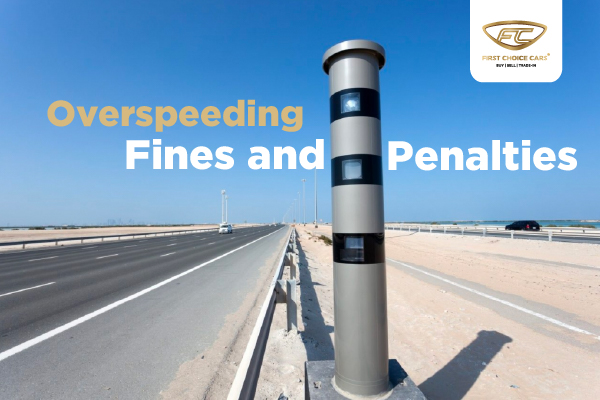
When drivers exceed the speed limit, they may face hefty fines, black points on their driving licence, and even vehicle impoundment. The amount of the fine depends on the specific emirate and the extent to which the driver exceeds the speed limit. For instance, exceeding the speed limit by more than 80 km/hour, the fine is AED 3000, with 23 black points and a retention period of 60 days. Exceeding the speed limit by more than 60 km/h can result in a fine of AED 2,000, 12 black points, and a 30-day vehicle impoundment. In contrast, exceeding the limit by 30 km/h may result in a fine of AED 500 and 4 black points. The Dubai highway speed limit is generally set at 120km/h, and exceeding that limit by 20 to 30km/h will result in a fine of 600 AED.
Dubai highway speed limit is generally set at 120km/h, and exceeding that limit by 20 to 30km/h will result in a fine of 600 AED.
It is essential to note that the fines and penalties may differ across the Emirates, and drivers must familiarize themselves with the local regulations to avoid unexpected fines. Additionally, the severity of the violation plays a significant role in determining the penalties. Repeat offenders or those who exceed the speed limit by a considerable margin are more likely to face stricter penalties.
In conclusion, adhering to the speed limits on UAE highways is crucial not only for road safety but also for helping drivers avoid fines and penalties. By staying informed about each emirate's speed limits and regulations, drivers can ensure a safe and enjoyable driving experience.
Driving Too Slow
While much emphasis is placed on adhering to maximum speed limits, it is equally essential to recognise the dangers and consequences of driving too slow on UAE highways. Although it is common sense to slow down where necessary and follow the speed limit in residential areas in Dubai, for instance, this section will discuss the minimum speed limits in the UAE and explain the risks associated with driving at a significantly slower pace than the flow of traffic.
The minimum UAE highway speed limit range is generally between 60 to 80 km/h, depending on the type of road or highway. These limits are implemented to ensure smooth traffic flow and reduce the likelihood of accidents caused by slow-moving vehicles. However, some Abu Dhabi roads have recently removed minimum speed requirements on certain lanes, requiring drivers to rely on posted signage instead.
Driving too slowly can cause confusion and frustration among other road users, potentially leading to dangerous situations, such as sudden lane changes, tailgating, or aggressive overtaking manoeuvres.
Generally, the fine for driving below the minimum speed limit on highways is set to AED 400. Drivers should always maintain a speed within the posted limits, keeping up with the flow of traffic while remaining vigilant of their surroundings. By adhering to both maximum and minimum speed limits, drivers can contribute to a safer driving environment for all road users in the UAE.
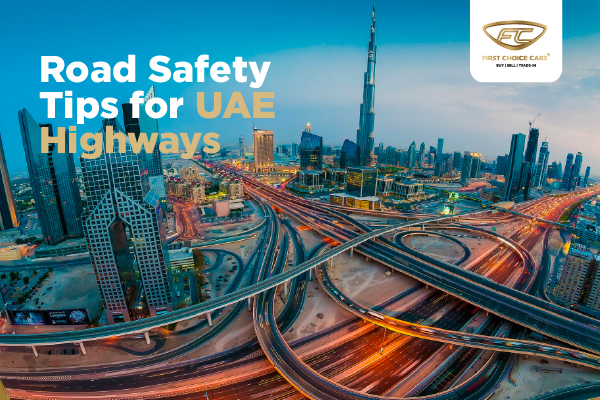
Road Safety Tips for UAE Highways
Driving on UAE highways requires a keen understanding of the speed limits and regulations across different emirates. To ensure your safety and the safety of other road users, it is crucial to follow these helpful tips while navigating the UAE's expansive road network:
- Always maintain a safe distance from the vehicle in front of you, allowing for adequate reaction time in case of sudden braking or emergencies.
- Adhere to the posted maximum and minimum speed limits to maintain a smooth and safe traffic flow.
- Stay alert and vigilant, regularly checking your mirrors and blind spots for other vehicles or potential hazards.
- Use your indicators when changing lanes or making turns, signaling your intentions to other drivers on the road.
- Follow the local highway regulations in each emirate, familiarizing yourself with the specific speed limits and traffic rules.
- Ensure your vehicle is in good condition, regularly checking tyre pressure, brakes, and other critical components to minimise the risk of accidents.
By adhering to these road safety tips and practising responsible driving on UAE highways, you can contribute to a safer and more enjoyable driving environment for all.
Conclusion
In conclusion, navigating the roads of the UAE, with its minimum and maximum speed limits, is not just a matter of following rules; it's about fostering a culture of safety and courtesy. Adhering to the specific speed limit in UAE for every Emirate ensures a harmonious traffic flow, reduces the risk of accidents, and contributes to an overall safer driving experience. Whether it's about preventing the hazards of driving too slow or maintaining control within the speed limits, responsible driving plays a crucial role in creating a secure and efficient road environment for everyone. So, as you embark on your journeys, remember that your commitment to these speed limits is not just a legal obligation but a shared responsibility towards a safer and more enjoyable road network. Safe travels!
Disclaimer: All information, including pricing, vehicle details, and legal requirements, is accurate at the time of publication but may be subject to change due to market conditions or policy updates. While First Choice Cars makes every effort to ensure the accuracy of the information provided, we hold no responsibility for any errors, omissions, or outdated content. We recommend contacting our team directly to confirm the latest details before making any decisions.